
Fall Is the Window to Get Bats Out of Your Denver Attic
Denver Metro & the Front Range
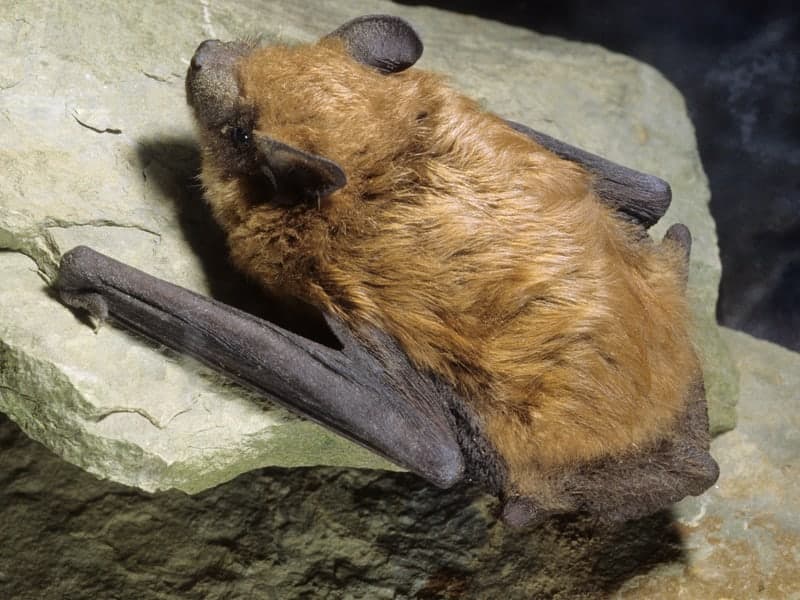
If you saw bats flying out from under your roofline this summer, or noticed a smell in the attic on hot afternoons, you probably also heard that you shouldn't just seal them in. That was good advice in June. It isn't the advice anymore.
By late September, the babies born this summer are flying. That opens a window, from now until the cold sets in, when bats can be moved out of a house safely and the openings closed behind them. Wait until winter and the job gets harder.
Why summer was the wrong time, and fall is the right one
Female bats raise their young in groups called maternity colonies, and attics are one of their favorite places to do it. Colorado Parks and Wildlife asks homeowners to avoid sealing bats out of buildings during pupping season, June through August. The pups can't fly yet. Close the opening then and the mothers are locked outside while the young die in the walls. That's where the smell and the stains come from.
Once the young can fly, every bat in the roost can leave on its own at night to feed. That's the whole point of fall: the colony can be let out instead of trapped in.
Why winter is too late
As the cold sets in, bats go quiet. Some species leave for caves and mines in the mountains. But big brown bats, one of the most common species in Front Range attics, often stay put and spend the winter inside buildings, attics included.
A hibernating bat doesn't fly out to feed, so a one-way exit does nothing. Seal the attic in January and you can trap bats inside that wake up in spring with nowhere to go but deeper into the house. The dependable time to get the job done is fall, while the bats are still active and flying out every night.
Signs you have a roost, not just one lost bat
- Bats coming out of the same spot on the house at dusk, or going back in just before dawn
- Brown, greasy stains around small gaps at the soffit, fascia or roofline, left by bat fur rubbing the same edge over and over
- Small dark droppings, about the size of a grain of rice, stuck to siding, windowsills or the deck below an opening. Bat droppings crumble into a dusty powder when crushed; mouse droppings don't
- An ammonia smell in the attic, worst on warm afternoons
- Squeaking or scratching in the attic or walls around dusk and dawn
- A bat inside the living space, especially more than once
Bats need very little room. A gap about half an inch wide is enough. The usual spots are soffit corners, chimney flashing, gaps behind fascia trim, loose siding, and where a roof meets a wall. Older Denver homes and foothills log homes have more of these gaps than most.
How bat removal works
Bats are protected in Colorado, and they eat a huge number of insects. The goal isn't to kill them. It's to get them out and keep them out.
- Inspection. We look over the whole outside of the house to find where the bats are getting in. There's almost always more than one opening, and sealing only the one you've noticed just sends them to the next one.
- One-way exits. We put one-way devices over the openings the bats are using. They fly out at night to feed like normal and can't get back in. The roost is usually empty within 5 to 7 days.
- Repair estimate. Once the roost is confirmed empty, at the time of service our exclusion experts will inspect and give you an estimate for any repairs (exclusion) needed to keep bats from getting back in. The materials depend on the house and the openings, so there's no one-size-fits-all fix.
- Cleanup. Where droppings have built up in the attic, we remove them and clean the area, and replace insulation that's too soiled to keep.
What you can do this week
- Watch the house at dusk. Stand outside for 20 minutes around sunset and see where bats come out. Note the spots. That's the most useful thing you can tell us.
- Don't seal anything yet. Not until you know every bat is out. Closing one opening with bats inside is how they end up in the living space.
- Check the chimney. An uncapped chimney is an easy way in. A cap with screening helps keep bats and birds out.
- Look at your attic vents. Torn or missing vent screens are a common entry point.
- Switch porch lights to yellow bulbs. White light draws insects, and insects draw bats.
Frequently Asked Questions
When is the best time to remove bats from an attic in Colorado?
Fall, after the young born that summer can fly and before bats settle in for winter. Colorado Parks and Wildlife advises against sealing bats out during pupping season, June through August.
Can bats be removed in winter?
It's harder. Big brown bats often hibernate inside buildings and don't fly out to feed, so one-way exits don't work and sealing can trap them inside.
How long does it take to get bats out?
Once one-way exits are in place over the openings, the roost is usually empty within 5 to 7 days. After that, we inspect and give you an estimate for any repairs needed to keep them out.
Is one bat in the house a problem?
It can be. One bat can be a stray, but more than one, or bats seen coming and going from the same spot, usually means a roost. If a bat was in a room where someone was sleeping, don't release it. Contain it and call your county health department about rabies testing.
How small a gap can a bat get through?
About half an inch. Common spots are soffit corners, chimney flashing, gaps behind fascia trim and loose siding.
Looking for more? Read about wildlife control or browse the full pest library.
Free Estimate.
Tell us what you're seeing. We'll diagnose, give you a real quote, and schedule fast.