
Denver Just Landed Among the Worst U.S. Cities for Bed Bugs — Here's What That Means for Your Home
Denver, Aurora, Lakewood & the Front Range metro
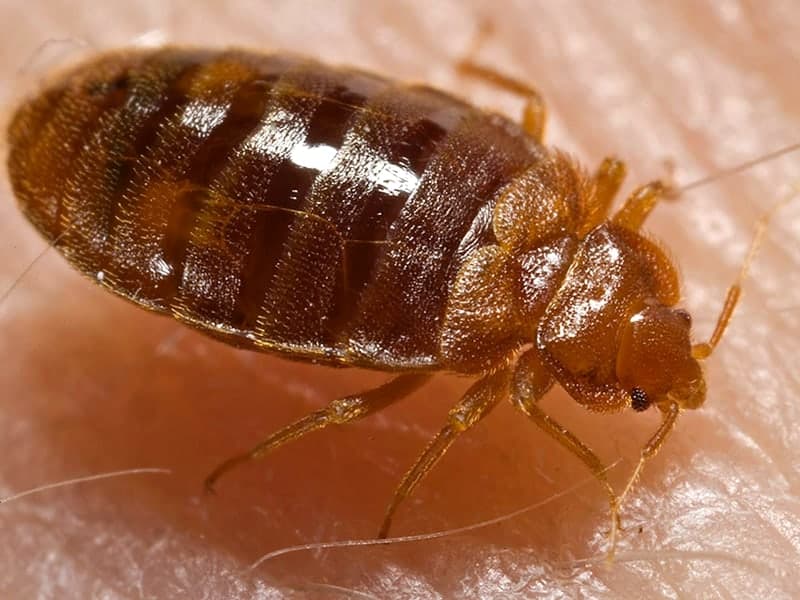
Denver just made a list nobody wants to be on. According to recent reporting from FOX31 and other local news outlets, the metro was ranked the 11th-worst city in the country for bed bugs — up three spots from last year. The ranking is built from where the most bed bug treatments were actually performed over the past year, so it reflects real jobs in real homes rather than survey guesswork.
We're not surprised. Bed bugs are already the single most common call we take in the Denver Metro Area, and the corridors where they spread fastest — dense apartments, short-term rentals, and a city built around a major travel hub — are exactly the ones that keep growing. Here's what's driving the climb, how to catch a problem before it takes over a home, and what we actually do about it.
Why Denver keeps climbing the bed bug list
Bed bugs don't care how clean your home is or what you earn — they care about two things: people and proximity. The Front Range gives them plenty of both.
- Apartment and multi-family density. Bed bugs travel building-to-building through wall voids, shared laundry rooms, and adjoining units. The apartment-heavy corridors along Colfax, in Aurora near Iliff and Buckley, and across LoDo and Capitol Hill high-rises are where they move fastest.
- A travel-hub city. Denver International is one of the busiest airports in the world, and bed bugs are hitchhikers — they ride home in luggage from hotels, conferences, and vacations, then set up in the bedroom.
- Short-term rentals. Heavy Airbnb and vacation-rental turnover means a lot of unfamiliar luggage passing through a lot of beds. One infested guest can seed the next dozen.
- Used furniture. A curb-side couch or a marketplace mattress is the classic way a single-family home picks them up.
How to tell if you actually have bed bugs
People panic over every small bite and every speck on the sheets. Most of the time it's nothing. Here's what actually points to bed bugs, in the order you'll usually notice it:
- Small reddish-brown stains on sheets or along mattress seams — digested blood after they feed
- Tiny black dots (like ground pepper) in mattress seams, along baseboards, or behind the headboard — fecal spotting
- Bites in rows or clusters on skin exposed while sleeping — arms, shoulders, neck, back
- Shed skins or pale, translucent eggs tucked into seams and cracks
- A sweet, musty odor in a heavily infested room
The bugs themselves are flat, reddish-brown, and about the size of an apple seed. They hide by day in mattress seams, box springs, headboards, baseboards, electrical outlets, and the joints of upholstered furniture — almost always within about eight feet of where someone sleeps. If you're finding the evidence but not the bugs, that's normal. They're built to stay out of sight.
Why the hardware-store spray makes it worse
This is the mistake we clean up after most often. The over-the-counter foggers and sprays you can buy at Home Depot mostly repel bed bugs rather than eliminate them — so instead of killing the population, they scatter it. Bugs that were concentrated in one bed spread into adjacent rooms, deeper into wall voids, and into a neighboring apartment. Worse, repeated DIY spraying is exactly how resistant populations develop. By the time people call us, a one-room problem has often become a three-room problem, and it's harder to solve than if they'd left it alone.
Bed bugs are one of the few pests where doing nothing is genuinely better than doing the wrong thing. Don't throw out the mattress in a panic either — you usually don't need to.
Coming home from a trip? Unpack outside — never in the bedroom
This is the single habit we wish every Denver traveler had, because the suitcase is how most of these jobs start. When you get home, do not carry the bag into the bedroom and open it on the bed. Unpack outside, in the garage, or on a hard surface like a patio or driveway — somewhere a hitchhiker has nowhere to hide if it drops out.
Do it even if everything in the bag is clean. Clean laundry can still be carrying a bed bug or an egg, and it costs you nothing to be careful. Take the clothes straight from the bag to the dryer and run them on high heat — heat is what actually kills them, not detergent, not a cold wash.
And check the suitcase itself. Bed bugs get into the luggage, not just what's packed in it — they tuck into the zipper track, the seams, the lining, the wheel wells, and the inside of the outer pockets. Empty it completely, look it over in good light, vacuum it out, and store it somewhere other than the bedroom closet. A bag that goes back under the bed still loaded is how a trip turns into an infestation three weeks later.
What we do about it
Every job starts with an inspection, and you get your estimate free at the time of that inspection. We confirm it's actually bed bugs, map out where they're harboring, and walk you through what we're going to do before anything is scheduled — no treatment sold on a guess.
From there we use conventional treatment: EPA-registered residual products applied to the harborage zones — mattress seams, box springs, baseboards, outlets, and wall voids — that's the approach proven to work in Front Range housing. Because of how bed bugs breed, follow-up visits are almost always part of the job, and we build those into the original quote rather than nickel-and-diming you for each return trip. And if they turn up again inside our warranty period, we come back and re-service free of charge.
Keeping them out after they're gone
Once an active infestation is eliminated and you don't reintroduce them, bed bugs don't come back on their own. The habits that keep them out:
- Inspect hotel mattress seams and headboards before you unpack, and keep luggage off the bed and floor
- Never bring home used mattresses, couches, or upholstered furniture from the curb or an unknown seller
- Unpack outside or in the garage after every trip — never on the bed — and check the suitcase seams, zippers, and pockets before you store it
- Bag and dryer-treat travel clothing on high heat for 30 minutes when you get home, clean or not
- Encase mattresses and box springs in bed-bug-proof covers
- Reduce clutter around beds — fewer hiding spots means faster detection
Think you've got them? Call sooner, not later
Bed bugs are the one pest where a two-week head start changes everything. A female lays one to five eggs a day, and a single missed one can rebuild a colony in a couple of months — so the sooner we inspect, the smaller and cheaper the job. If you're seeing the signs above anywhere across Denver, Aurora, Lakewood, or the wider Front Range metro, don't wait for it to spread to the next room.
Frequently Asked Questions
Why is Denver so bad for bed bugs?
Bed bugs care about people and proximity, and the Front Range supplies both. Apartment-heavy corridors along Colfax, near Iliff and Buckley in Aurora, and across LoDo and Capitol Hill high-rises let them move building-to-building through wall voids and shared laundry. Denver International is one of the world's busiest airports and bed bugs are hitchhikers. Heavy Airbnb turnover means unfamiliar luggage passing through a lot of beds. And used curbside furniture is the classic way a single-family home picks them up.
How do I know if I have bed bugs?
Look for small reddish-brown stains on sheets or along mattress seams, tiny black dots like ground pepper in seams and behind the headboard, bites in rows or clusters on skin exposed while sleeping, shed skins or pale translucent eggs in cracks, and a sweet musty odor in a heavily infested room. The bugs are flat, reddish-brown, apple-seed sized, and hide within about eight feet of where someone sleeps. Finding evidence but not the bugs is normal — they are built to stay out of sight.
Why does hardware-store bed bug spray make it worse?
Over-the-counter foggers and sprays mostly repel bed bugs rather than eliminate them, so instead of killing the population they scatter it. Bugs concentrated in one bed spread into adjacent rooms, deeper into wall voids, and into neighboring apartments. Repeated DIY spraying is also how resistant populations develop. Bed bugs are one of the few pests where doing nothing is genuinely better than doing the wrong thing.
Does Environmental Pest Control do heat or freezing treatment for bed bugs?
No. We do not offer heat or cryonite (freezing) treatment in-house — we use conventional treatment with EPA-registered residual products applied to harborage zones. If you have been told your situation needs heat or another specialized protocol, call us anyway and we will tell you honestly whether it is warranted and refer you to a specialist if it is.
Do I have to throw out my mattress?
Usually not. We bag and encase rather than discard wherever possible, and the technician walks you through what stays and what genuinely needs to go during the inspection. Throwing out a mattress in a panic is one of the more common expensive mistakes, and it does nothing about the bugs already in the box spring, baseboards, and outlets.
How do I avoid bringing bed bugs home from a trip?
Check the hotel bed before unpacking — pull back the sheets and look along mattress seams, the box spring, and behind the headboard, and keep luggage on the rack away from the wall rather than on the bed or floor. At home, unpack outside or in the garage, never on the bed. Run dryer-safe clothes on high heat for 30 to 45 minutes whether they were worn or not; heat is what kills them, not detergent. Then empty, inspect, and vacuum the suitcase itself — zipper tracks, seams, lining, wheel wells — and store it outside the bedroom.
How much does bed bug treatment cost in Denver?
It depends on square footage and how far the infestation has spread, so we quote after inspecting rather than over the phone. The estimate at the time of inspection is free and there is no obligation. Follow-up visits are built into the original quote rather than billed per return trip, and re-service inside the warranty period is free of charge. Veterans and first responders get 10% off.
Looking for more? Read about bed bug control or browse the full pest library.
Free Estimate.
Tell us what you're seeing. We'll diagnose, give you a real quote, and schedule fast.