
Denver's Humid Summer Is Coming — Here's What's Crawling In With It
Denver, Aurora, Lakewood & the Front Range
If you've lived along the Front Range for any length of time, you know Denver weather likes to keep us guessing. This summer is no exception. After an unusually mild 2025–2026 winter — temperatures stayed well above average across the Front Range — forecasters are now calling for a hotter and wetter summer, with a strong monsoon expected to push moisture into Colorado starting in mid-to-late July.
That extra humidity is great news for our lawns and gardens. It's also exactly what pests have been waiting for.
Why a Humid Summer Means More Bugs
Here's the short version: moisture fuels insects, and insects fuel everything that eats them. When the air gets muggy and the late-day storms roll through, populations of ants, mosquitoes, earwigs, and flying insects explode. And because that mild winter let a lot of bugs survive instead of dying off, 2026 is already shaping up to be one of the buggiest years Colorado has seen in a long time.
When the bug buffet grows, the predators follow — which brings us to the season's biggest complaint.
Struggling With Spiders? We've Got You Covered
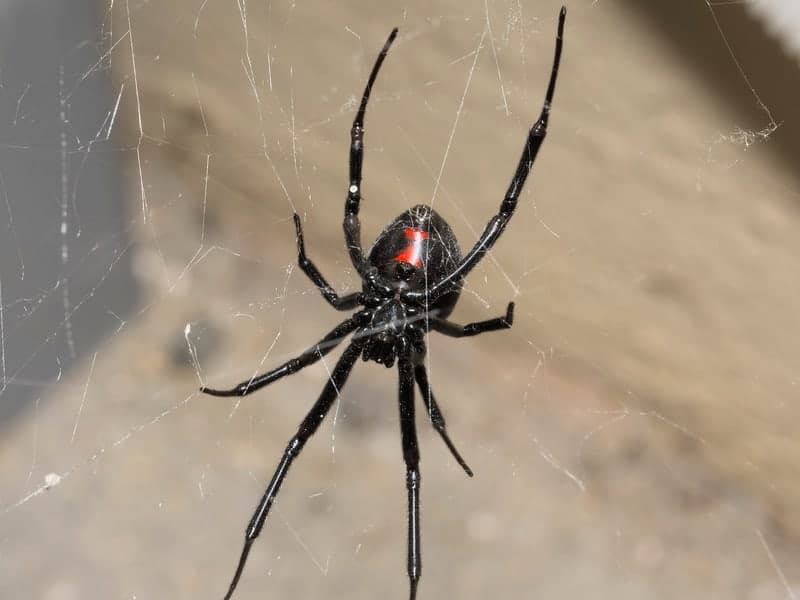
Spiders don't show up because they like your house. They show up because your house is where the food is. As humidity drives up insect numbers, spiders move in right behind them — often earlier and in greater numbers than usual.
If you're finding webs in the corners, the garage, or the basement, Environmental Pest Control can set out sticky traps to knock down the population and help us see exactly where they're traveling. It's a simple, low-impact way to get the upper hand before it turns into an infestation.
Watch Out for Wasps and Yellow Jackets
Warm, active summers also mean busy stinging insects. Wasps and yellow jackets love to build nests in the places we spend the most time — under decks, in eaves, along fence lines, and tucked into soffits. By mid-to-late summer those nests can get big and aggressive, especially around food and trash during cookout season.
If you spot a nest forming, don't wait it out and don't try to knock it down yourself. Give us a call and let Environmental Pest Control handle it safely.
Get Ahead of the Humid Season
The monsoon hasn't fully arrived yet — which makes right now the perfect time to get protected before the bugs do. Whether it's spiders, wasps, box elder bugs, or something you can't quite identify, Environmental Pest Control is here to help Denver homeowners stay comfortable all summer long.
Give us a call and let's get ahead of it.
Frequently Asked Questions
Why does a humid summer mean more bugs in Denver?
Moisture fuels insects directly — populations of ants, mosquitoes, earwigs, and flying insects expand quickly once the air gets muggy and late-day storms roll through. It then fuels everything that eats them. Combined with a mild winter that let a lot of insects survive instead of dying off, 2026 is shaping up as one of the buggiest years Colorado has seen in a long time.
Why am I suddenly seeing so many spiders?
Spiders do not move in because they like your house — they move in because your house is where the food is. As humidity drives insect numbers up, spiders follow right behind them, often earlier and in greater numbers than usual. Webs in corners, the garage, and the basement are the usual first sign.
Should I knock down a wasp nest myself?
No. Warm, active summers make stinging insects busy, and wasps and yellow jackets build exactly where people spend time — under decks, in eaves, along fence lines, tucked into soffits. By mid-to-late summer those nests get large and aggressive, especially around food and trash during cookout season. Call (303) 766-3031 and let us handle it safely.
What is a safe home remedy for box elder bugs?
A small shallow container of soapy water set around the exterior of the home. Box elder bugs and ornamental flying insects are drawn to it, and the soap breaks the surface tension so they cannot escape. It will not harm bees, so you can put several out without worrying about pollinators. It is a supplement to treatment, not a replacement for it.
When should I schedule summer pest control in Denver?
Before the monsoon fully arrives — that is the window where treatment gets ahead of the population instead of chasing it. Environmental Pest Control serves Denver, Aurora, Lakewood, and the wider Front Range, with a free estimate at the time of inspection and 10% off for veterans and first responders.
Looking for more? Read about general pest control or browse the full pest library.
Free Estimate.
Tell us what you're seeing. We'll diagnose, give you a real quote, and schedule fast.