
Denver Real Estate WDO Inspections: What Buyers, Sellers, and Agents Need to Know
Denver metro, Aurora, Lakewood, Boulder, Highlands Ranch, Parker
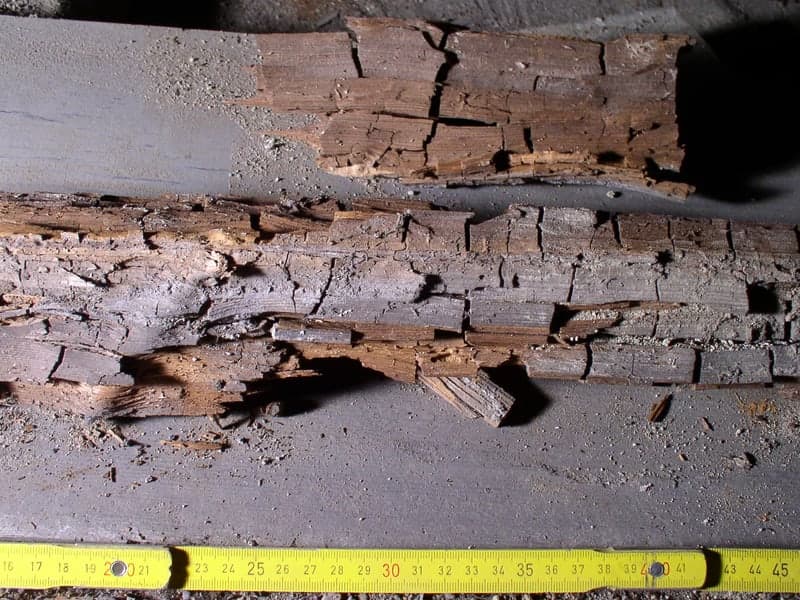
If you're under contract on a Front Range home and your lender just sent over a list of inspections, there's a good chance a WDO inspection is on it. Buyers, sellers, and agents all benefit from understanding what's about to happen and what's in the report.
Here's the plain-English version, from a Denver pest company that's been writing WDO reports for the Front Range market since 1985.
What WDO means
WDO stands for Wood Destroying Organism. The inspection covers anything alive (or recently alive) that damages wood in a structure:
- Subterranean termites — uncommon at Front Range elevation but present, especially in foothills with adjacent forest
- Drywood termites — rare in Colorado, more common on imports and recently relocated furniture
- Carpenter ants — common in foothill and older Denver homes
- Carpenter bees — boring into untreated cedar fascia, deck rails, and exposed beams
- Powderpost beetles — found occasionally in older homes with original framing
- Wood-decay fungi (dry rot, brown rot, white rot) — by far the most common Front Range finding
When a WDO inspection is required
It's almost always lender-triggered. The most common loan types requiring it:
- FHA loans (Federal Housing Administration)
- VA loans (Department of Veterans Affairs) — required on most Colorado properties
- USDA Rural Development loans — common in Front Range communities outside the immediate Denver metro
- Some conventional loans, depending on lender risk profile or property condition flags
Buyers also commonly request a WDO inspection as part of their general due diligence even when not lender-required, particularly on homes built before 1990, on homes with significant deferred maintenance, or on log/cedar/heavy-timber construction in the foothills.
What the inspection actually involves
A WDO inspection is a visual inspection of every accessible part of the structure, plus probing of any wood that looks suspect. Standard scope:
- Exterior foundation perimeter — full walk-around, probing at sill plates, deck ledgers, and visible framing
- Interior accessible areas — every room, basement, mechanical room
- Crawlspace if present and accessible — this is where we find the most evidence
- Attic if accessible — typically a head-up inspection from the access opening
- Garage including framing and any wood-to-soil contact
- Decks, porches, fences within five feet of the structure, exposed trim, fascia, and window sills
The inspector documents findings on the NPMA-33 form (also called the WDIIR — Wood Destroying Insect Inspection Report). That's the standardized national form lenders accept. It identifies what was found, where, and whether evidence is current/active or historical.
What we typically find on Front Range homes
Denver elevation and our dry climate work in your favor on the termite front — subterranean termite pressure here is significantly lower than Front Range buyers transplanting from Texas or the Southeast tend to assume. But that doesn't mean WDO reports come back clean.
Most common findings, by category
- Wood-decay fungi at deck-to-house junctions, around hose bibs, behind landscaping that traps moisture against siding — by far the #1 finding
- Carpenter ant evidence (frass, exit holes, or live workers) in older Denver homes with original wood trim, especially Curtis Park, Wash Park, Highlands, Capitol Hill, Cherry Creek bungalows
- Carpenter bee galleries in untreated cedar fascia and exposed beams — common in Highlands Ranch, Parker, Castle Rock newer construction
- Powderpost beetle exit holes in original framing or antique flooring of pre-1950 homes
- Subterranean termite mud tubes or damage — occasional in foothill homes adjacent to forest, very rare in metro proper
Timing during the Denver market season
Spring and summer (April through August) are peak season for Denver real estate transactions. Inspection slots fill quickly. Book your WDO inspection early in the contract period — same week you go under contract, ideally — so the report lands on the lender's desk well before the financing contingency expires.
Standard turnaround during peak season is 7 days from inspection to delivered report. Off-peak (November through February) it's typically 2-3 business days.
If the report comes back with findings
Findings don't kill deals — they direct them. Standard moves:
- Active termites or visible structural damage: buyer typically requests treatment by a licensed specialist and/or repair by qualified contractor as a condition of closing. Costs are negotiated between buyer and seller.
- Wood-decay fungi: seller usually addresses the moisture source (gutter, grading, leaking flashing) and replaces affected wood before re-inspection. Sometimes a re-inspection fee applies; sometimes the lender accepts contractor invoices in lieu.
- Carpenter ants or carpenter bees: treatment can usually be scheduled within a week. If structural wood needs replacement, that's a separate trade.
- Historical evidence with no active activity: typically annotated on the report and no further action required.
What sellers can do before listing
- Walk the exterior and check every spot where wood meets soil or where a deck attaches to the house — these are the WDO inspector's first stops
- Look at fascia, especially on south and west exposures, for soft spots or exit holes
- Check that gutters drain away from the foundation and that landscaping doesn't trap moisture against siding
- Get a pre-listing WDO inspection if your home is older or has any of the construction features above — finding issues before a buyer's inspector does gives you control over how to address them
Veteran or first-responder buyer? Mention it when you book — we offer 10% off the inspection fee.
Frequently Asked Questions
What does WDO stand for?
Wood Destroying Organism. The inspection covers anything alive or recently alive that damages wood in a structure: subterranean termites, drywood termites, carpenter ants, carpenter bees, powderpost beetles, and wood-decay fungi (dry rot, brown rot, white rot).
Which loans require a termite inspection in Colorado?
Most commonly FHA loans, VA loans (required on most Colorado properties), and USDA Rural Development loans. Some conventional loans require one depending on the lender's risk profile or property condition flags. Buyers also request WDO inspections voluntarily on pre-1990 homes, homes with deferred maintenance, and log, cedar, or heavy-timber foothill construction.
Does Environmental Pest Control treat termites?
No. We provide the inspection and write the NPMA-33 report. We do not perform termite treatment or wood-decay remediation. If active termites or significant damage are found we refer you to a licensed termite specialist for treatment and a qualified contractor for structural repair. The job is independent diagnosis — we are not selling you the treatment we just recommended.
What is most commonly found on a Denver-area WDO inspection?
Wood-decay fungi, by a wide margin — at deck-to-house junctions, around hose bibs, and behind landscaping holding moisture against siding. After that: carpenter ant evidence in older Denver homes with original wood trim, carpenter bee galleries in untreated cedar fascia on newer Highlands Ranch, Parker, and Castle Rock construction, and powderpost beetle exit holes in pre-1950 framing. Subterranean termite mud tubes turn up occasionally in foothill homes adjacent to forest and very rarely in the metro proper.
How long does a WDO report take in Denver?
About 7 days from inspection to delivered report during peak season (April through August, when Denver real estate transactions cluster). Off-peak, November through February, it is typically 2 to 3 business days. Book the inspection the same week you go under contract so the report reaches the lender well before the financing contingency expires.
What happens if the WDO report comes back with findings?
Findings direct deals rather than killing them. Active termites or visible structural damage usually means the buyer requests treatment by a licensed specialist and/or repair as a closing condition, with costs negotiated. Wood-decay fungi typically means the seller fixes the moisture source and replaces affected wood before re-inspection. Historical evidence with no active activity is annotated and generally needs no further action.
Is there a discount on WDO inspections for veterans?
Yes — veterans and first responders get 10% off the inspection fee. Mention it when you book. Given how many Front Range WDO inspections are triggered by VA loans specifically, this comes up often.
Looking for more? Read about termite inspection (wdo reports) or browse the full pest library.
Free Estimate.
Tell us what you're seeing. We'll diagnose, give you a real quote, and schedule fast.