
Why Pests Move Indoors in Fall, and How to Stop Them Before They Do
Denver Metro & the Front Range
Every fall, the same thing happens across the Front Range. The nights cool off, and a lot of small animals start looking for a warm, dry place to spend the winter. Many of them pick houses.
This isn't bad luck, and it doesn't mean your house is dirty. It's a seasonal move that happens at the same time every year. That's the good news: you know it's coming, so you can get ahead of it.
Why fall is when pests come inside
It's getting cold. Along the Front Range, nights can drop fast in late September and October. Denver's first freeze usually comes in early to mid October. Insects can't make their own body heat, and mice need shelter to get through the winter. A heated house is the warmest thing around.
Their food outside is running out. Gardens are done, seeds have dropped, and the insects that spiders and other pests eat are dying off. Your pantry, pet food and bird seed are still there.
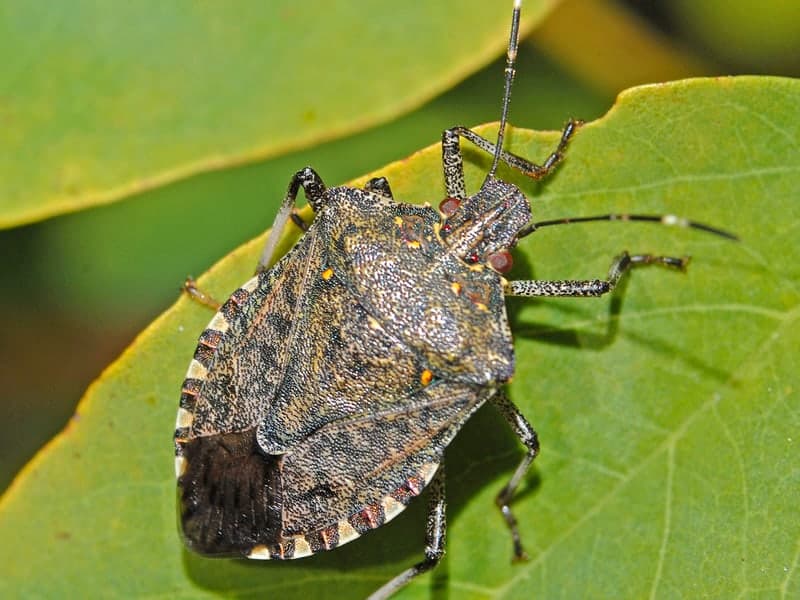
Some insects are built to spend the winter in shelter. Boxelder bugs, stink bugs, elm seed bugs and conifer seed bugs spend the winter as adults tucked into protected spaces. Outdoors that means under bark or in rock piles. Next to a house, it means gaps in siding, window frames and attics. CSU Extension calls these "nuisance invaders" because moving into buildings for the winter is simply what they do.
Houses leak warmth. The warm air coming out around windows, doors, vents and siding gaps is the signal. Wherever warm air gets out, pests can find their way in.
The fall pests we see most on the Front Range
- Mice. The pest that matters most in fall. Mice move in ahead of the first freeze through gaps about the width of a pencil, most often under garage doors, around utility lines and through dryer vents. Unlike the insects on this list, they breed indoors, chew wiring and contaminate food. Our post on mice before the first freeze goes into more detail.
- Boxelder bugs and elm seed bugs. The red-and-black bugs covering your sunny wall on a warm afternoon. They don't bite, damage the house or breed indoors, but once they're inside the walls they keep turning up in windows until spring.
- Stink bugs and conifer seed bugs. Brown, shield-shaped or long-legged bugs that slip in through gaps around windows in late September and October, spend the winter in walls and attics, and wander out at sunny windows from late winter into spring. Harmless, but they smell when crushed.
- Spiders. In fall, male spiders wander looking for mates, and spiders that live around the foundation follow insects toward the warmth. Most are harmless. The one to take seriously on the Front Range is the black widow, shiny black with a red hourglass, which likes window wells and undisturbed basement and garage storage.
- Wasps and yellowjackets. Colonies hit their largest size in late summer, and yellowjackets turn to sugary food, which is why they're at every patio table in September. The colony dies with the frost, but new queens look for a protected place to spend the winter, sometimes in wall voids and attics.
- Bats. By fall, the bats born in attics this summer can fly, which makes this the right time to get a roost out of a house before winter.
Your fall prevention checklist
Most of this takes one weekend. Start with the sunny south and west sides of the house, where insects gather first.
Close the gaps
- Stand inside the closed garage during the day. If you see light around the door, replace the bottom seal
- Check door sweeps on every exterior door, including the one from the garage into the house
- Look for gaps around window frames, and replace torn window screens
- Look where pipes, cables, AC lines and the dryer vent go through the wall. Seal gaps with something mice can't chew, like metal mesh sealed in place. Spray foam alone won't stop them
- Make sure the dryer vent flap closes on its own
- Check attic, soffit and crawl space vents for torn or missing screens
- Cap the chimney if it isn't capped
Take away food and shelter
- Move pet food, bird seed and grass seed into metal or hard plastic bins with lids
- Keep pantry food in hard containers, not boxes and bags
- Stack firewood away from the house and off the ground, and only bring in what you'll burn that day
- Rake leaves and pull mulch back from the foundation
- Trim shrubs and branches so they don't touch the siding or roof
- Clear the clutter in the garage, basement and window wells
Inside
- Vacuum up any bugs that get in instead of crushing them, and empty the vacuum outside
- Fix leaks under sinks and around outdoor spigots
- Switch porch lights to yellow bulbs, which attract fewer insects
How we handle fall pests
- Fall perimeter treatment on the siding, foundation and entry points, timed before the bugs gather on the walls in big numbers
- Mouse trapping where mice are already inside, set along the paths they actually use
- Entry-point check. At the time of service our exclusion experts will inspect and give you an estimate for any repairs (exclusion) needed around windows, soffits, utility lines and garage doors to keep pests out
- Quarterly service for homes that get hit every year, like homes backing onto open space or with mature trees, so each season's visit happens before the next wave
Frequently Asked Questions
Why do pests come inside in the fall?
Colder nights, less food outside, and for many insects, a built-in habit of spending the winter somewhere sheltered. Warm air leaking out of a house leads them to the gaps they get in through.
What pests come inside in fall in Colorado?
Mostly mice, boxelder bugs, elm seed bugs, stink bugs, conifer seed bugs, spiders and wasp queens looking for a place to spend the winter.
When should I do fall pest prevention?
September into early October is ideal, before Denver's first freeze, which usually comes in early to mid October. Later in fall it still helps, but once pests are inside the walls it becomes a cleanup job, not prevention.
Do fall bugs breed inside the house?
Boxelder bugs, stink bugs and elm seed bugs don't. They spend the winter and leave in spring. Mice do breed indoors, which is why they're the fall pest to deal with first.
Looking for more? Read about general pest control or browse the full pest library.
Free Estimate.
Tell us what you're seeing. We'll diagnose, give you a real quote, and schedule fast.