
Spring Cleaning That Actually Keeps Pests Out: A Front Range Prep Checklist
Denver, Aurora, Lakewood, Arvada, Westminster, Littleton, Highlands Ranch & the Front Range
The cheapest pest control you'll ever do in the Denver metro is the cleanup you do in spring, before anything wakes up. It's mostly a Saturday morning with a trash bag, a high-pressure hose, and twenty minutes of standing in your own yard watching the roofline. Do it now and you spend the summer dealing with the occasional straggler instead of an established nest or a basement full of whatever crawled in over the winter.
Here's the order we'd walk a Front Range property in, and why each step matters at our elevation specifically.
Why spring is the window that decides your whole summer
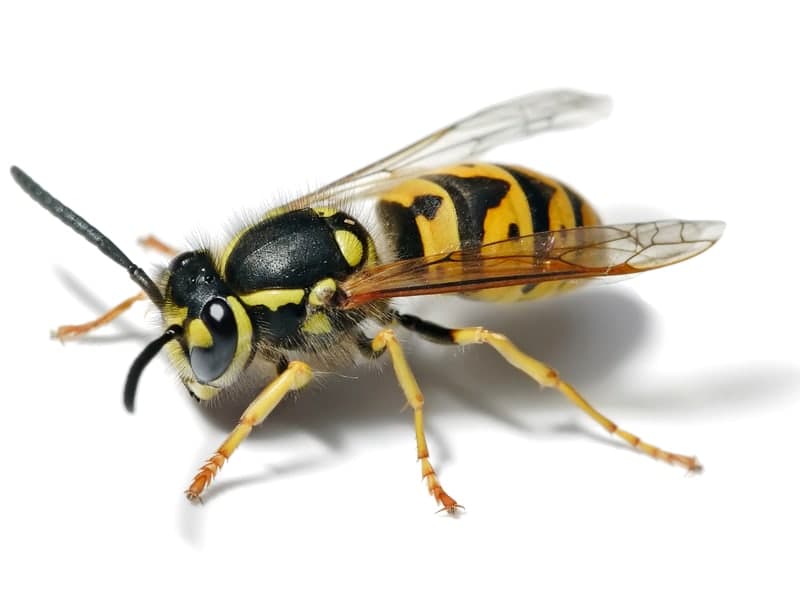
Most of the pests that become a July headache are getting started right now. Paper wasp and yellowjacket queens overwintered in a sheltered spot and are out scouting nest sites from roughly March through May — a nest you find now is one wasp and a structure the size of a golf ball. Clover mites are swarming sunny south- and west-facing walls on the first warm afternoons. And the miller moths are making their annual run from the plains up to the mountains through early June, piling up around porch lights and doorways. Getting ahead of all of it in spring is the difference between a quick knock-down and a full-season problem.
Start with the window wells — the spot almost every Denver homeowner skips
Most homes here have basement egress window wells, and over the winter they quietly fill with blown-in leaves, pine needles, and dead plant matter. Two things happen. First, that damp debris becomes prime harborage — it holds moisture against the foundation and gives spiders, crickets, pill bugs, and ground beetles a place to live right at a below-grade window. Second, the well itself works like a pitfall trap: ground-dwelling insects (and the occasional vole or mouse) fall in, can't climb the smooth wall out, and end up concentrated at the one window in your house that's already below the soil line.
- Clear every well down to bare gravel — bag the leaves and debris, don't just rake them to the side
- Check that the well drain isn't clogged so water doesn't pool against the window
- Add or repair a clear well cover — it keeps the debris (and the wildlife) out and lets light in
- Make sure the window itself seals and the weatherstripping is intact
Pull debris back off the foundation and exterior
Everything stacked or piled against the house is a bridge and a hideout. Walk the full perimeter and create a clean, dry band between your foundation and anything organic:
- Pull mulch back a few inches from the siding — a mulch bed packed against the wall stays wet and invites ants, earwigs, and millipedes
- Move firewood at least 20 feet from the house and elevate it off the ground; a woodpile against the wall is a colony waiting to move in
- Cut back any shrubs, grass, or branches touching the siding or roofline — they're highways straight onto the structure
- Rake out dead leaves and plant litter from along the foundation, in corners, and behind the AC unit
- Keep a vegetation-free strip along the foundation; a band of pea gravel is a genuinely effective barrier against clover mites marching up the wall
Take a high-pressure hose to the exterior
Once the debris is gone, wash the house down. Hit the soffits and eaves, the window and door frames, the underside of the deck, and the fence line. A strong stream does three jobs at once: it knocks down spider webs before egg sacs hatch, it blasts clover mites and aphid honeydew off the hot south- and west-facing walls where they collect, and it removes the early mud-dauber and paper-wasp nest starts while they're still small enough to wash away.
Make it a routine through the spring rather than a one-time job. The bonus is diagnostic: the spots where webs and nest starts keep coming back week after week are your hot spots, and they're exactly where a treatment and a closer look pay off.
Set out monitor traps — to see, not to solve
Put a few sticky monitor traps in the places pests travel: along garage and basement baseboards, in the cleaned-out window wells, under sinks, and behind the washer. The point isn't to trap your way out of a problem — monitor traps will never out-catch a breeding population. The point is information. Which traps fill up, how fast, and with what tells you where activity is concentrated and what you're actually dealing with before you spend a dollar on treatment.
When you call us for an estimate, that's genuinely useful data — bring it up, or leave the traps in place for the inspection. It points us straight at the entry points instead of guessing.
A quick note on the miller moths
If your spring problem is moths swarming the porch light and slipping in every time the door opens, don't reach for spray. Miller moths are harmless, they don't breed indoors, and they're an important food source for Front Range wildlife on their way to the mountains — they pass through by early June. Switch exterior bulbs to yellow LED, keep lights off near doors at night, and seal the gaps around doors and windows they're sneaking through. That's the whole fix.
When to bring us in
The cleanup above prevents a lot, but spring is also when an established problem shows its hand. If the wasp nest is already built, if the window wells keep refilling with ground-dwellers no matter how often you clear them, or if the monitor traps are filling faster than nuisance numbers, that's the point to call. We start with a full exterior inspection, treat the active pressure — eco-friendly first, chemical only when necessary — and at time of service we'll inspect and provide an estimate for any necessary repairs (exclusion) to seal the entry points feeding the problem.
The spring checklist, in one place
- Clear window wells down to gravel; check the drain and add a cover
- Pull mulch back from the siding and move firewood 20+ feet out
- Cut vegetation off the foundation and roofline; keep a clean gravel band
- High-pressure-hose the soffits, frames, deck, and fence on a regular spring schedule
- Do the 20-minute wasp watch weekly during the hottest part of the day
- Set monitor traps to track where activity is concentrated
- Switch porch bulbs to yellow LED and seal door and window gaps for miller-moth season
- Book your spring service with code SPRING SERVICE for 10% off
Frequently Asked Questions
Why do window wells matter so much for Denver pest control?
They do two things at once. Winter fills them with blown-in leaves and needles, and that damp debris holds moisture against the foundation while giving spiders, crickets, pill bugs, and ground beetles harborage right at a below-grade window. The well itself also works like a pitfall trap — ground-dwelling insects and the occasional vole or mouse fall in, cannot climb the smooth wall out, and concentrate at the one window in the house already below the soil line.
When should I check for wasp nests in Colorado?
Weekly from roughly March through May, during the hottest and sunniest part of the afternoon when wasps are most active. Stand in the yard and scan soffits, eaves, vents, gable corners, and holes in the lawn or landscaping. Wasps repeatedly entering and leaving the same spot marks a nest entrance — paper wasps up high, yellowjackets often in the ground or an old rodent burrow. If it is bigger than a baseball, leave it alone and call us.
Do sticky monitor traps actually get rid of pests?
No, and that is not what they are for. Monitor traps will never out-catch a breeding population. They are diagnostic: which traps fill, how fast, and with what tells you where activity is concentrated and what you are actually dealing with. Leave them in place for the inspection — it points a technician straight at the entry points instead of guessing.
How do I get rid of miller moths around my porch light?
Do not spray. Miller moths are harmless, do not breed indoors, are an important food source for Front Range wildlife on their migration to the mountains, and pass through by early June. Switch exterior bulbs to yellow LED, keep lights off near doors at night, and seal the gaps around doors and windows they are slipping through. That is the entire fix.
What keeps clover mites off the side of the house?
A vegetation-free strip along the foundation. A band of pea gravel is genuinely effective against clover mites marching up sunny south- and west-facing walls, and a strong hose stream knocks down the ones already collecting there along with aphid honeydew. Both are worth doing on the first warm afternoons, which is when clover mites start swarming.
When is it worth calling a professional instead of doing it myself?
When the wasp nest is already built, when window wells keep refilling with ground-dwellers no matter how often you clear them, or when monitor traps fill faster than nuisance numbers. We start with a full exterior inspection, treat the active pressure eco-friendly first and chemical only when necessary, and at time of service inspect and provide an estimate for any repairs needed to seal the entry points feeding the problem.
Looking for more? Read about general pest control or browse the full pest library.
Free Estimate.
Tell us what you're seeing. We'll diagnose, give you a real quote, and schedule fast.