
Voles Control
in Lakewood.
Professional voles treatment across Lakewood. Lawn-destroying field rodents that tunnel in winter under snow cover.
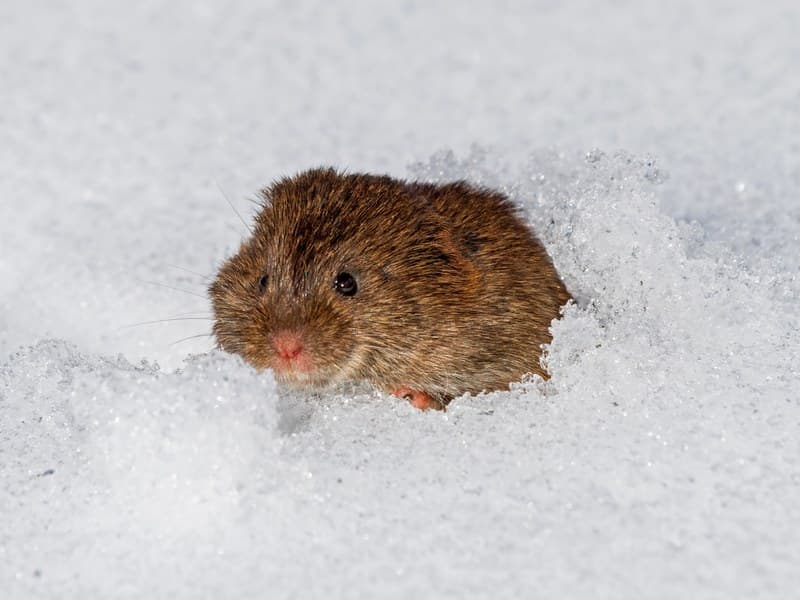
Voles are a recurring concern across the Denver Metro Area, and Lakewood is no exception. Lakewood's western edge meets the foothills, creating heavy wildlife pressure — bears, deer, raccoons, and squirrels all use the urban-wildland interface. Bear Creek and Sloan's Lake provide additional water and habitat corridors. Mid-city portions are flatter and more typical Denver-metro tract housing. Voles love thick mulch beds, tall grass edges, brush piles, ground-cover plants, and bird-feeder spillage. They thrive in landscaped yards with continuous vegetation and snow cover.
Colorado's deep winter snow gives voles months of protected feeding under cover. Many Front Range lawns develop heavy damage during heavy-snow winters, then crash in dry years. In Lakewood specifically, foothill proximity drives heavy rodent, squirrel, and wildlife pressure especially in green mountain and bear creek areas. mature trees mean carpenter ant satellite nests are common. older housing stock with original wood windows is highly vulnerable to box elder bug, stink bug, and silverfish overwintering. compounds the picture — meaning Lakewood homes face voles pressure that's distinct from the metro average.
EPC has run voles jobs across every corner of Lakewood. Lakewood housing is heavy on 1950s–70s ranches and split-levels. Older construction means rubble foundations, original wood windows, and dated weatherstripping — all rodent and overwintering-pest entry points. Newer west-side neighborhoods have tighter envelopes but face heavier wildlife and carpenter ant pressure due to foothill proximity. Our approach is lawn-destroying field rodents that tunnel in winter under snow cover.
How EPC Treats Voles in Lakewood
Active Trap Stations
Snap traps placed at runway entries with apple slice or oat bait. Most effective in late fall and early spring when populations peak.
Repellent Application
Castor oil-based repellents applied to lawn and around tree bases. Drives voles to neighboring habitat without killing them.
Habitat Modification
Tech identifies harborage zones — tall grass, mulch buildup, brush piles — and recommends mowing, mulch reduction, and tree-base hardware cloth wraps.
Bait Stations (Outdoor Only)
Tamper-resistant bait stations placed in active runway areas where heavy populations require knockdown. Used in conjunction with habitat fixes.
Signs of Voles in Lakewood Homes
- Surface runways in the lawn — 1.5 to 2 inches wide, with grass clipped to the soil
- Round 1.5-inch entry holes in the lawn
- Bark chewed off the base of young trees and shrubs (girdling)
- Dead patches of grass appearing as snow melts in spring
- Damage to bulbs, root vegetables, and ornamental plants
Voles Prevention for Lakewood Properties
- Mow lawn short going into winter (voles need cover from predators)
- Keep mulch beds 3 inches or thinner — thick mulch = vole highways
- Wrap young tree trunks with hardware cloth from ground to 18 inches up
- Clear brush, woodpiles, and tall grass within 10 feet of the lawn edge
- Remove bird seed scatter under feeders
Voles in Lakewood — Frequently Asked Questions
How much does voles treatment cost in Lakewood, CO?
There is no flat rate. Voles pricing in Lakewood depends on the size of the property, how far the activity has already spread, and how much access the technician needs. You get a free estimate at the time of inspection and an honest quote before any work begins — no charge for the quote itself. Veterans and first responders receive 10% off. Call (303) 766-3031 or (303) 888-6657.
How soon can you treat voles in Lakewood?
Lakewood sits inside our core coverage in Jefferson County, so same-day appointments are often available. Call (303) 766-3031 or (303) 888-6657 and we will tell you honestly what today and tomorrow look like rather than booking you out and hoping. Environmental Pest Control answers Monday through Friday, 8am to 6pm Mountain Time.
Is voles treatment in Lakewood guaranteed?
Yes. If voles return inside your service window, the re-service is free of charge — it is built into the original quote rather than sold as an add-on. Any follow-up visits the treatment plan calls for are included in the price you were quoted up front.
Why do Lakewood homes get voles?
Foothill proximity drives heavy rodent, squirrel, and wildlife pressure especially in Green Mountain and Bear Creek areas. Mature trees mean carpenter ant satellite nests are common. Voles love thick mulch beds, tall grass edges, brush piles, ground-cover plants, and bird-feeder spillage. They thrive in landscaped yards with continuous vegetation and snow cover.
What are the first signs of voles in a Lakewood home?
The earliest indicators are: surface runways in the lawn — 1.5 to 2 inches wide, with grass clipped to the soil; round 1.5-inch entry holes in the lawn; bark chewed off the base of young trees and shrubs (girdling). Catching any one of these early usually means a smaller, cheaper job than waiting until the problem is obvious.
Do you serve my part of Lakewood?
Yes — Environmental Pest Control covers all of Lakewood (80214, 80215, 80226, 80227, 80228, 80232 and surrounding ZIP codes) plus 200+ Colorado ZIP codes across the Denver metro and Front Range. We have been locally owned and operated since 1985 — not a franchise.
What's the difference between voles and moles?
Voles eat plants and create surface runways visible in the grass. Moles eat insects and create raised tunnel ridges and volcano-shaped mounds. Different pests, different control approaches.
Will my lawn recover from vole damage?
Mostly yes — runways usually fill in by midsummer with reseeding and irrigation. Bark damage on young trees is permanent and may kill the tree if girdling is complete.
Free Voles Estimate in Lakewood
Same-day appointments usually available. Call now or request online.
Call (303) 766-3031Other pests we treat in Lakewood
Voles control in nearby cities
Free Voles Estimate in Lakewood.
Tell us what you're seeing. We'll diagnose, quote, and schedule treatment fast.