
Bats Control
in Wheat Ridge.
Professional bats treatment across Wheat Ridge. Humane bat removal + guano cleanup, compliant with Colorado wildlife regs.
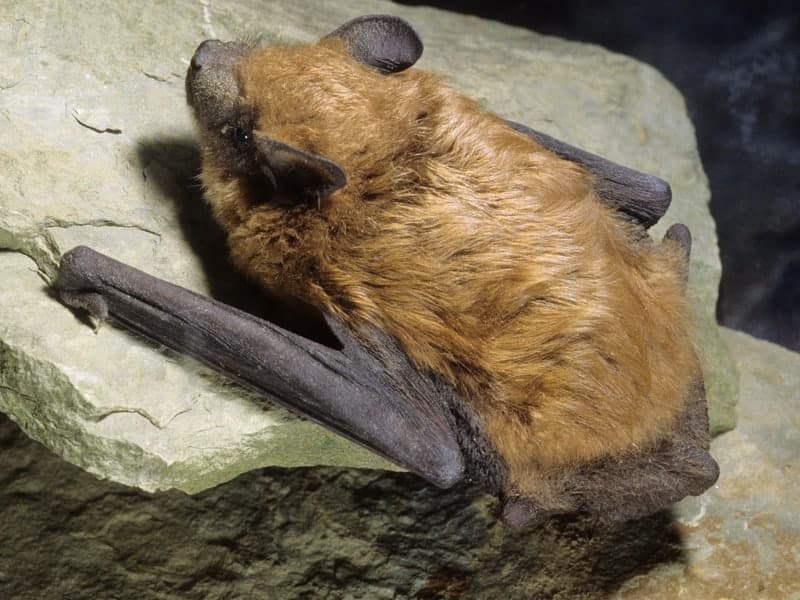
Bats are a recurring concern across the Denver Metro Area, and Wheat Ridge is no exception. Wheat Ridge straddles Clear Creek and is bounded by Denver, Arvada, and Lakewood. Clear Creek and the surrounding open space provide year-round wildlife and rodent corridors into adjacent residential blocks. The city's relatively flat terrain has mature tree canopy and aging infrastructure. Bats love attics, soffit cavities, chimney voids, and any warm dark protected space they can enter through a 1/2-inch gap. They especially favor older homes with heavy soffit detail and chimney flashing irregularities.
Front Range bat populations migrate in spring and seek roosts in early summer. Older Denver homes with original soffit and fascia construction are highest risk; newer homes with damaged soffit screening can also become roost sites. In Wheat Ridge specifically, aging mid-century housing stock with original wood windows and weatherstripping drives chronic mouse and overwintering-pest pressure. mature tree canopy means carpenter ant and squirrel pressure. clear creek and the open-space corridor feed in rodents and wildlife year-round. compounds the picture — meaning Wheat Ridge homes face bats pressure that's distinct from the metro average.
EPC has run bats jobs across every corner of Wheat Ridge. Wheat Ridge housing is heavily mid-century — 1950s–70s ranches, split-levels, and brick bungalows with original construction details. Rubble foundations, original wood windows, and dated weatherstripping make these homes vulnerable to mouse, rat, and overwintering-pest entry. Newer mixed-use construction along 38th Avenue has tighter envelopes but apartment-density bed bug pressure. Our approach is humane bat removal + guano cleanup, compliant with colorado wildlife regs.
How EPC Treats Bats in Wheat Ridge
Inspection and Entry-Point Mapping
Tech identifies primary and secondary entry points (often pencil-sized gaps in soffit corners, around chimney flashing, or where roof meets wall). Bats use openings as small as 1/2 inch.
One-Way Valve Installation
Specialized check valves installed at active entry points. Bats exit normally to feed; they can't re-enter. After 5–7 days, the roost is empty.
Final Sealing
Once the roost is confirmed empty, our exclusion experts will provide an estimate for sealing all primary and secondary openings with hardware cloth, foam, and exterior-grade sealant.
Guano Cleanup + Decontamination
Attic guano removed (HEPA-filtered respirators required), insulation replaced if soaked, and surfaces decontaminated. Critical for indoor air quality and histoplasmosis risk reduction.
Signs of Bats in Wheat Ridge Homes
- Bats observed entering or exiting the home at dusk/dawn
- Brown staining around small roof or soffit openings (oil from bat fur)
- Strong ammonia odor in attic (guano accumulation)
- Black pellet droppings on walls below roost entry points
- Squeaking or rustling sounds in attic at dusk and dawn
- Bats found indoors (a single bat in a bedroom is a rabies-exposure event — call us immediately)
Bats Prevention for Wheat Ridge Properties
- Annual roof and soffit inspection — catch openings before bats find them
- Cap chimneys and seal flashing gaps, especially around dormer junctions
- Maintain attic vents with proper screening (1/4-inch hardware cloth)
- Exterior porch lights attract insects which attract bats — switch to yellow LEDs
- Don't disturb a roost yourself — removal timing matters legally and biologically
Bats in Wheat Ridge — Frequently Asked Questions
How much does bats treatment cost in Wheat Ridge, CO?
There is no flat rate. Bats pricing in Wheat Ridge depends on the size of the property, how far the activity has already spread, and how much access the technician needs. You get a free estimate at the time of inspection and an honest quote before any work begins — no charge for the quote itself. Veterans and first responders receive 10% off. Call (303) 766-3031 or (303) 888-6657.
How soon can you treat bats in Wheat Ridge?
Wheat Ridge sits inside our core coverage in Jefferson County, so same-day appointments are often available. Call (303) 766-3031 or (303) 888-6657 and we will tell you honestly what today and tomorrow look like rather than booking you out and hoping. Environmental Pest Control answers Monday through Friday, 8am to 6pm Mountain Time.
Is bats treatment in Wheat Ridge guaranteed?
Yes. If bats return inside your service window, the re-service is free of charge — it is built into the original quote rather than sold as an add-on. Any follow-up visits the treatment plan calls for are included in the price you were quoted up front.
Why do Wheat Ridge homes get bats?
Aging mid-century housing stock with original wood windows and weatherstripping drives chronic mouse and overwintering-pest pressure. Mature tree canopy means carpenter ant and squirrel pressure. Bats love attics, soffit cavities, chimney voids, and any warm dark protected space they can enter through a 1/2-inch gap. They especially favor older homes with heavy soffit detail and chimney flashing irregularities.
What are the first signs of bats in a Wheat Ridge home?
The earliest indicators are: bats observed entering or exiting the home at dusk/dawn; brown staining around small roof or soffit openings (oil from bat fur); strong ammonia odor in attic (guano accumulation). Catching any one of these early usually means a smaller, cheaper job than waiting until the problem is obvious.
Do you serve my part of Wheat Ridge?
Yes — Environmental Pest Control covers all of Wheat Ridge (80033, 80212, 80214, 80215) plus 200+ Colorado ZIP codes across the Denver metro and Front Range. We have been locally owned and operated since 1985 — not a franchise.
Are bats dangerous?
Health risk is low but real: rabies (rare but fatal if untreated), and histoplasmosis from old guano accumulation. The bigger concern is the structural and air-quality damage from prolonged occupancy.
Can I just remove the bats myself?
Legally restricted in Colorado, especially during maternity season. Premature sealing strands flightless pups inside walls — they die, smell, and stain. Hire a wildlife pro.
Free Bats Estimate in Wheat Ridge
Same-day appointments usually available. Call now or request online.
Call (303) 766-3031Other pests we treat in Wheat Ridge
Bats control in nearby cities
Free Bats Estimate in Wheat Ridge.
Tell us what you're seeing. We'll diagnose, quote, and schedule treatment fast.