
Why Hundreds of Bugs Are Sunning Themselves on Your South Wall This Fall
Denver Metro & the Front Range
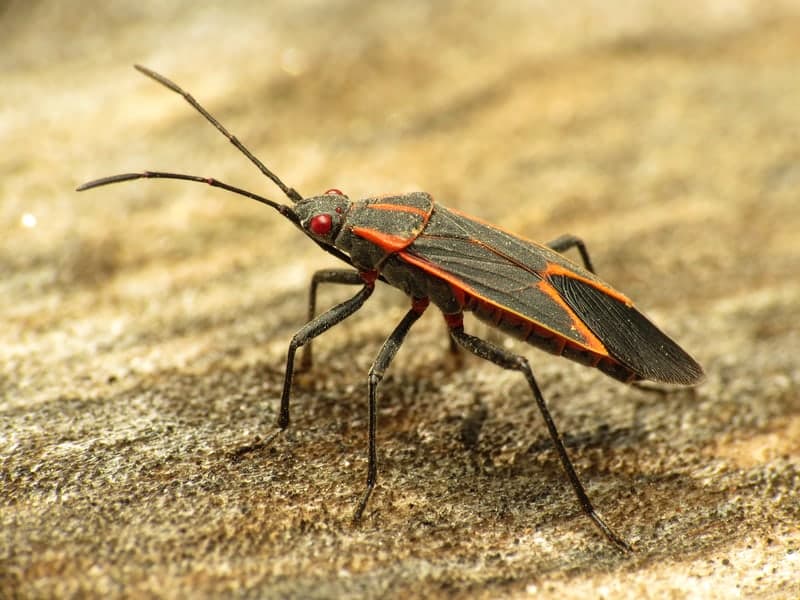
It happens on a warm afternoon in late September. You walk around the side of the house and the siding is moving: hundreds of little black-and-red bugs, packed together in the sun.
On the Front Range it's almost always one of two insects: the boxelder bug, which has been around here forever, or the elm seed bug, which is new to Colorado. Neither will hurt you or your house. But if you don't deal with them now, you'll be finding them in your windows until spring.
Which one do you have?
Boxelder bug
- About half an inch long
- Black, with thin red or orange lines along the edges and behind the head
- Gathers mostly in fall, on warm walls
Elm seed bug
- A bit smaller, about a third of an inch
- Rusty red and black, with a black upside-down triangle behind the head and a row of small white dots along the edge of the wings
- Shows up earlier, often in homes from mid-June through September, and smells like bitter almonds when disturbed
What neither one does
This is the part people want to know first:
- They don't damage the house. No chewing wood, no wrecking insulation.
- They don't breed indoors. The ones that get inside are adults waiting out the winter. They don't lay eggs in your home.
- They aren't a health risk. Both are what CSU calls nuisance pests.
The real problems are the number of them, the smell if you crush them, and stains. Crushed boxelder bugs can leave reddish marks on curtains and light-colored walls.
Why they choose your wall
They're warming up. In fall, south- and west-facing walls hold the most heat in the afternoon, so the bugs gather there. They're also looking for a crack to crawl into for the winter: gaps around windows, under siding, at soffits and fascia, and around pipes and wires. Once they get into the wall, they stay there until spring. On warm winter days some wander out the wrong way, into the house.
The trees nearby matter. Boxelder bugs feed on the seeds of female boxelder trees, and sometimes maples. Older Denver neighborhoods with big, mature boxelders and maples usually see far more of them than new subdivisions with young trees.
The new one: elm seed bugs
The elm seed bug wasn't in Colorado until 2017, when it was first found on the Western Slope. Since then it has spread across much of the state, including the Front Range. It feeds mainly on elm seeds, and Siberian elm is very common along the Front Range, which is why it spread so fast.
Because it's so new, most homeowners, and plenty of websites, still don't know what it is. If you've had "boxelder bugs" in your house since midsummer, look again. They may be elm seed bugs.
Timing is everything
This is the most important thing to know about both bugs: once they're inside the walls for winter, you can't get them all out. They'll keep coming out a few at a time until spring. That's why the best treatment happens before they settle in.
- Early September is the ideal time for a fall perimeter treatment, before large numbers gather on the walls.
- If they're already on the wall, treating the cluster directly still knocks down what you can see, and sealing gaps now means fewer of them inside this winter.
- In spring, targeted treatment where they come out can cut down how many end up in your living space.
If you missed it this year, the best move is to get the gaps looked at now and put an early September treatment on the calendar for next year.
How we handle boxelder bugs and elm seed bugs
- Fall perimeter treatment on the siding, foundation and entry points, timed before the bugs gather in big numbers.
- Direct treatment of clusters already on the wall, for fast relief from what you can see.
- Entry-point check. At the time of service we inspect and give you an estimate for any repairs (exclusion) needed around windows, soffits, fascia and utility lines to keep them out of the walls.
- Spring spot treatment in attics and wall voids as the overwintering bugs come out.
What you can do today
- Walk the sunny sides of the house and look for gaps around window frames, under siding and at pipe and wire entry points
- Replace torn window screens and worn door sweeps
- Vacuum any bugs indoors. Don't crush them
- If you have a female boxelder tree close to the house, that's where most of the bugs come from
Frequently Asked Questions
What are the black and red bugs on my house in the fall?
On the Front Range, usually boxelder bugs or elm seed bugs. Boxelder bugs are about half an inch with red lines. Elm seed bugs are smaller, with a black triangle behind the head and white dots on the wing edges.
Are boxelder bugs or elm seed bugs harmful?
No. They don't damage the house or breed indoors. They're a nuisance: the number of them, the smell when crushed, and stains on light surfaces.
When is the best time to treat for boxelder bugs?
Early September, before they gather on walls and move into wall voids. Once they're inside for the winter, they can't all be removed before spring.
How do I get rid of the ones inside my house?
Vacuum them and empty the vacuum outside. Don't crush them. Then have the gaps they're using looked at before next fall.
Looking for more? Read about general pest control or browse the full pest library.
Free Estimate.
Tell us what you're seeing. We'll diagnose, give you a real quote, and schedule fast.