
Millipedes Control
in Lakewood.
Professional millipedes treatment across Lakewood. Slow-moving, coiling, many-legged decomposers that wander into basements and garages after rain.
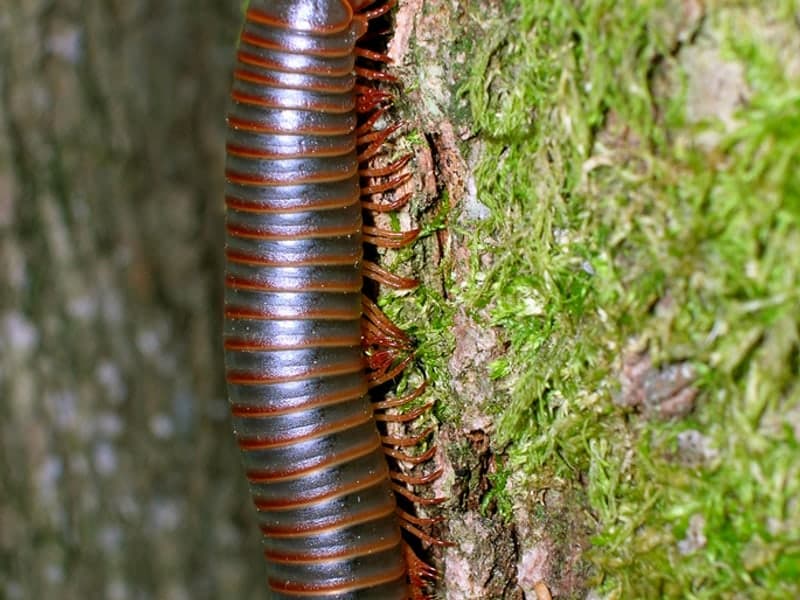
Millipedes are a recurring concern across the Denver Metro Area, and Lakewood is no exception. Lakewood's western edge meets the foothills, creating heavy wildlife pressure — bears, deer, raccoons, and squirrels all use the urban-wildland interface. Bear Creek and Sloan's Lake provide additional water and habitat corridors. Mid-city portions are flatter and more typical Denver-metro tract housing. Millipedes love wet mulch beds, leaf litter, rotting logs, damp basement window wells, garage thresholds, and damp foundation soil. They migrate indoors when outdoor conditions are extreme.
Front Range homes with heavy decorative mulch landscaping and poor foundation drainage see post-rain millipede invasions every summer. Fall migrations move populations across long distances when temperatures drop. In Lakewood specifically, foothill proximity drives heavy rodent, squirrel, and wildlife pressure especially in green mountain and bear creek areas. mature trees mean carpenter ant satellite nests are common. older housing stock with original wood windows is highly vulnerable to box elder bug, stink bug, and silverfish overwintering. compounds the picture — meaning Lakewood homes face millipedes pressure that's distinct from the metro average.
EPC has run millipedes jobs across every corner of Lakewood. Lakewood housing is heavy on 1950s–70s ranches and split-levels. Older construction means rubble foundations, original wood windows, and dated weatherstripping — all rodent and overwintering-pest entry points. Newer west-side neighborhoods have tighter envelopes but face heavier wildlife and carpenter ant pressure due to foothill proximity. Our approach is slow-moving, coiling, many-legged decomposers that wander into basements and garages after rain.
How EPC Treats Millipedes in Lakewood
Perimeter Barrier
Residual treatment around the foundation, mulch beds, and entry zones. Catches millipedes as they migrate from outdoor harborage toward the house.
Granular Bait Around Foundation
Granular insecticide applied to mulch beds and turf along the foundation. Knocks down the outdoor population before it migrates indoors.
Habitat & Moisture Modification
Tech identifies harborage zones — thick mulch, leaf litter, wood piles, sweating foundation walls — and recommends mowing, mulch reduction, drainage fixes, and downspout extension.
Indoor Spot Treatment
Targeted treatment in basement and garage perimeter areas during active migration events. Pairs with sealing entry points so the next wave doesn't come in.
Signs of Millipedes in Lakewood Homes
- Slow, dark, coiling bugs in basements, garages, and ground-floor rooms
- Mass appearances after heavy rain or during fall migrations
- Dead millipedes drying out on basement floors (they need moisture and die quickly indoors)
- Concentration in damp mulch beds, leaf litter, and rotting wood outdoors
- Tight-spiral defensive posture when touched or disturbed
Millipedes Prevention for Lakewood Properties
- Pull mulch back at least 6 inches from the foundation; keep depth under 3 inches
- Direct downspouts and grading away from the house — wet soil at the foundation is millipede heaven
- Remove leaf litter, woodpiles, and brush against the home
- Seal foundation cracks, basement window gaps, and garage door weatherstripping
- Run dehumidifiers in basements to make indoor conditions inhospitable
Millipedes in Lakewood — Frequently Asked Questions
How much does millipedes treatment cost in Lakewood, CO?
There is no flat rate. Millipedes pricing in Lakewood depends on the size of the property, how far the activity has already spread, and how much access the technician needs. You get a free estimate at the time of inspection and an honest quote before any work begins — no charge for the quote itself. Veterans and first responders receive 10% off. Call (303) 766-3031 or (303) 888-6657.
How soon can you treat millipedes in Lakewood?
Lakewood sits inside our core coverage in Jefferson County, so same-day appointments are often available. Call (303) 766-3031 or (303) 888-6657 and we will tell you honestly what today and tomorrow look like rather than booking you out and hoping. Environmental Pest Control answers Monday through Friday, 8am to 6pm Mountain Time.
Is millipedes treatment in Lakewood guaranteed?
Yes. If millipedes return inside your service window, the re-service is free of charge — it is built into the original quote rather than sold as an add-on. Any follow-up visits the treatment plan calls for are included in the price you were quoted up front.
Why do Lakewood homes get millipedes?
Foothill proximity drives heavy rodent, squirrel, and wildlife pressure especially in Green Mountain and Bear Creek areas. Mature trees mean carpenter ant satellite nests are common. Millipedes love wet mulch beds, leaf litter, rotting logs, damp basement window wells, garage thresholds, and damp foundation soil. They migrate indoors when outdoor conditions are extreme.
What are the first signs of millipedes in a Lakewood home?
The earliest indicators are: slow, dark, coiling bugs in basements, garages, and ground-floor rooms; mass appearances after heavy rain or during fall migrations; dead millipedes drying out on basement floors (they need moisture and die quickly indoors). Catching any one of these early usually means a smaller, cheaper job than waiting until the problem is obvious.
Do you serve my part of Lakewood?
Yes — Environmental Pest Control covers all of Lakewood (80214, 80215, 80226, 80227, 80228, 80232 and surrounding ZIP codes) plus 200+ Colorado ZIP codes across the Denver metro and Front Range. We have been locally owned and operated since 1985 — not a franchise.
What's the difference between centipedes and millipedes?
Millipedes are slow, dark, coil up when touched, and eat decaying plants. Centipedes are fast, pale, flatter, and predatory (they eat other bugs). Both have many legs but they're very different animals.
Are millipedes dangerous?
No. They don't bite, don't sting, and don't damage structures. The defensive chemical they release when threatened can stain skin slightly and smells unpleasant but is otherwise harmless.
Free Millipedes Estimate in Lakewood
Same-day appointments usually available. Call now or request online.
Call (303) 766-3031Other pests we treat in Lakewood
Millipedes control in nearby cities
Free Millipedes Estimate in Lakewood.
Tell us what you're seeing. We'll diagnose, quote, and schedule treatment fast.