Bats Treatment
Across the Front Range.
Humane bat removal + guano cleanup, compliant with Colorado wildlife regs.
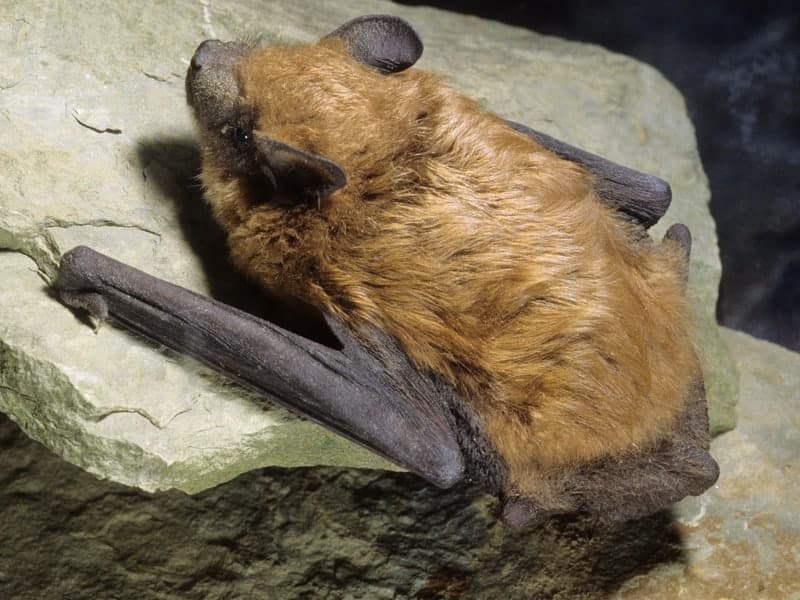
Bats are protected wildlife in Colorado — the work is one-way exit installation and sealing, not extermination. They roost in attics, soffits, and chimneys, and a roost left in place produces guano accumulation, ammonia odor, and a small but real rabies exposure risk.
EPC handles inspection, one-way valve installation (lets bats out, doesn't let them back in), guano removal, and decontamination. At time of service our exclusion experts will inspect and provide an estimate for any necessary repairs (exclusion) to prevent reinfestation.
About Bats
Common Colorado bat species include big brown bats, little brown bats, and Mexican free-tailed bats. They emerge at dusk to feed on insects, return to roosts before dawn. Maternity colonies form in late spring (May–July); sealing mothers out during pup-rearing strands flightless young. EPC times all bat work to comply with state regulations.
Signs You Have Bats
- Bats observed entering or exiting the home at dusk/dawn
- Brown staining around small roof or soffit openings (oil from bat fur)
- Strong ammonia odor in attic (guano accumulation)
- Black pellet droppings on walls below roost entry points
- Squeaking or rustling sounds in attic at dusk and dawn
- Bats found indoors (a single bat in a bedroom is a rabies-exposure event — call us immediately)
How EPC Treats Bats
Inspection and Entry-Point Mapping
Tech identifies primary and secondary entry points (often pencil-sized gaps in soffit corners, around chimney flashing, or where roof meets wall). Bats use openings as small as 1/2 inch.
One-Way Valve Installation
Specialized check valves installed at active entry points. Bats exit normally to feed; they can't re-enter. After 5–7 days, the roost is empty.
Final Sealing
Once the roost is confirmed empty, our exclusion experts will provide an estimate for sealing all primary and secondary openings with hardware cloth, foam, and exterior-grade sealant.
Guano Cleanup + Decontamination
Attic guano removed (HEPA-filtered respirators required), insulation replaced if soaked, and surfaces decontaminated. Critical for indoor air quality and histoplasmosis risk reduction.
How to Prevent Bats
- Annual roof and soffit inspection — catch openings before bats find them
- Cap chimneys and seal flashing gaps, especially around dormer junctions
- Maintain attic vents with proper screening (1/4-inch hardware cloth)
- Exterior porch lights attract insects which attract bats — switch to yellow LEDs
- Don't disturb a roost yourself — removal timing matters legally and biologically
Frequently Asked Questions
Are bats dangerous?
Health risk is low but real: rabies (rare but fatal if untreated), and histoplasmosis from old guano accumulation. The bigger concern is the structural and air-quality damage from prolonged occupancy.
Can I just remove the bats myself?
Legally restricted in Colorado, especially during maternity season. Premature sealing strands flightless pups inside walls — they die, smell, and stain. Hire a wildlife pro.
How long does the bat removal process take?
5–10 days from one-way valve install to final sealing. Cleanup adds another 1–3 days depending on guano volume.
What do I do if I find a bat in my bedroom?
Don't release it. Capture it carefully (a coffee can and cardboard work) or call us immediately — Colorado public health treats indoor bat encounters as potential rabies exposure events warranting testing.
Areas We Treat Bats
EPC handles bats calls across the entire Denver Metro Area. Click your city for local detail:
Related Pests
Free Bats Estimate.
Tell us what you're seeing. We'll diagnose, give you a real quote, and schedule fast.